Odessa, FL



Clearwater Website Design
& Development Services
Your website is often the first impression people have of your business—and in many cases, it's the deciding factor between choosing you or your competitor. As a leading Clearwater Web Design Company, trusted Clearwater Web Designer, and experienced Website Design Clearwater FL team, we create custom websites that are visually impressive, mobile-friendly, fast-loading, and built to convert visitors into customers. Whether you're searching for Web Design Clearwater FL, Website Design Clearwater, Website Design Clearwater FL, Web Design Company Clearwater, or professional Clearwater Web Development services, our team delivers tailored solutions designed around your goals.
Every website we create is built with performance in mind. From clean design and intuitive navigation to local SEO, conversion-focused layouts, and seamless functionality, our team ensures your website works as hard as you do. As a trusted Clearwater Digital Marketing Agency and Web Design Company, we combine creative design with smart development strategies to help businesses across Clearwater stand out in search results, provide a better user experience, and turn more visitors into customers. If you're looking for a long-term digital partner who understands both design and business growth, you're in the right place.
99+ Pagespeed
100% Responsive
https://yourwebsite.com
yourwebsite.com
Trusted Clearwater Web Design Company
Professional Website Design Clearwater FL That Turns Visitors Into Customers
Most business owners don't need another website—they need one that actually helps their business grow. That's exactly how we approach every project at VSF Marketing. Before we write a single line of code or choose a design, we take the time to understand your business, your customers, and what success looks like for you.
Whether you're a contractor, law firm, medical practice, retailer, or local service business, your website should make a great first impression and give people confidence to contact you. If you are looking for top-tier web design Clearwater FL, our agency provides the perfect solution. Our Clearwater Website Design team builds custom websites that are fast, mobile-friendly, easy to navigate, and designed to convert visitors into real leads. Every project is developed with SEO Services, user experience, and long-term scalability in mind, so your website continues working for your business long after it goes live. We also offer reliable Website Hosting and full-scale Digital Marketing.

Custom Design
Fast Loading
Mobile First
SEO Ready
Why Businesses Choose VSF Marketing for Website Design
Every website we build is designed with one goal in mind—helping your business attract more customers, earn trust, and grow online.
Strategy Before Design
Most websites fail because they are built around looks instead of business goals. Before we start designing, we take time to understand your company, services, competitors, and the customers you want to attract. This allows us to create a Clearwater website design that not only looks professional but also guides visitors toward taking action. Every layout, page, and call-to-action is planned with growth in mind.
Built Around Your Business
No two businesses are the same, so your website shouldn't look like everyone else's. Whether you're a contractor, law firm, medical practice, retailer, or local service provider, we create custom Clearwater web design solutions that reflect your brand and make it easy for customers to trust you. Instead of relying on generic templates, every website is tailored to your goals and built to support long-term success.
Performance That Helps You Rank
A beautiful website means very little if it's slow or difficult to find online. Every project is built with fast loading speeds, mobile responsiveness, clean code, and SEO best practices from day one. Our Clearwater web development process focuses on creating websites that perform well across devices, provide a better user experience, and give your business a stronger foundation for improving visibility in search results.
A Long-Term Digital Partner
Launching your website is only the beginning. As your business grows, your website should grow with it. Whether you need new landing pages, content updates, ongoing improvements, or digital marketing support, our team is here to help. We focus on building long-term relationships with our clients by delivering reliable support, honest communication, and websites that continue generating value well into the future. Businesses looking for reliable Website Development Clearwater solutions choose VSF Marketing because we build websites that are fast, secure, scalable, and designed to support long-term business growth.
Custom Website Design
WordPress Development
Mobile Responsive
SEO-Friendly Structure
Ongoing Website Support

Our Website Design Process:
Built Around Your Business, Not Templates
From your first consultation to launch day, every step is planned to create a website that supports your business goals and delivers a better experience for your customers.
250+
Projects Completed
★★★★★
Client Satisfaction
100%
Custom Design
SEO
Built-In Foundation
1
Discover Your Business
Every successful website starts with understanding the business behind it. We take time to learn about your services, target audience, competitors, and long-term goals before making any design decisions. This discovery phase helps us build a strategy that's tailored to your business instead of relying on a one-size-fits-all approach.
2
Design With Your Customers in Mind
Once the strategy is in place, we begin designing a website that's clean, modern, and easy to navigate. Every page is planned to guide visitors naturally toward contacting your business, requesting a quote, or scheduling a consultation. Throughout the design process, you'll review the layouts and provide feedback before we move into development.
3
Build, Optimize & Test
After the design is approved, our developers bring your website to life using clean code and modern development practices. We optimize every page for mobile devices, fast loading speeds, accessibility, and search engines while thoroughly testing forms, navigation, and functionality to ensure everything works exactly as it should before launch. Our Clearwater Website Design and Clearwater Website Development process focuses on building fast, secure, SEO-friendly websites that are ready to generate leads from day one.
4
Launch & Continue Growing
Launching your website isn't the end of the project—it's the beginning. After your site goes live, we're here to help with updates, improvements, additional landing pages, website maintenance, and digital marketing strategies that support your business as it grows. Our goal is to become your long-term digital partner, not just the web design company Clearwater that built your website.
Have an idea for your next website? Let's talk about how we can turn it into a website that helps your business grow.
Start Your Free Website ConsultationE
M
J
Trusted by Clearwater Businesses That Wanted More Than Just a Beautiful Website
From local service businesses to growing companies, our clients trust VSF Marketing to build websites that improve credibility, attract qualified leads, and support long-term business growth.
Responsive Design
SEO Ready
Fast Loading
Secure Website
Conversion Focused
"Our old website wasn't generating quality leads, and it didn't
reflect our business. VSF Marketing completely redesigned the site, improved the user
experience, and made it much easier for customers to contact us. Within weeks of launch,
we started receiving more inquiries and stronger leads from Google."
Google Verified Review
"The VSF team made the entire process simple from planning through
launch. They listened to our goals, explained every step clearly, and delivered a fast,
professional website that has helped increase website traffic and customer inquiries."
Google Verified Review
"We wanted a website that looked professional and built trust with
potential customers. VSF Marketing exceeded our expectations. The new website loads
quickly, works perfectly on mobile devices, and has become a valuable part of our
marketing strategy."
Google Verified Review
Our Work Speaks for Itself
See How We've Helped Businesses Build Better Websites & Grow Online
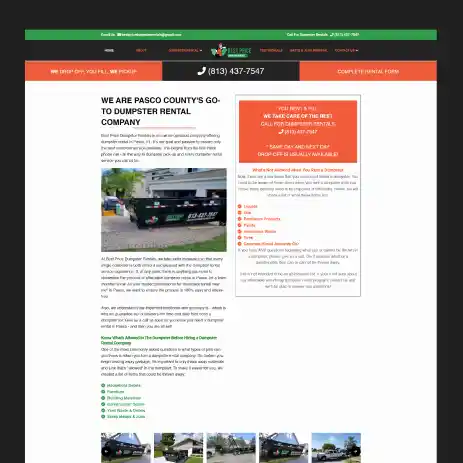
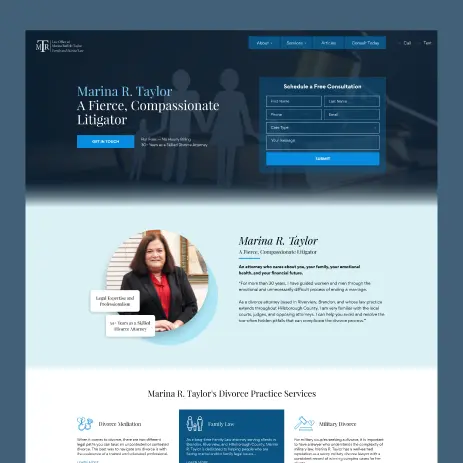
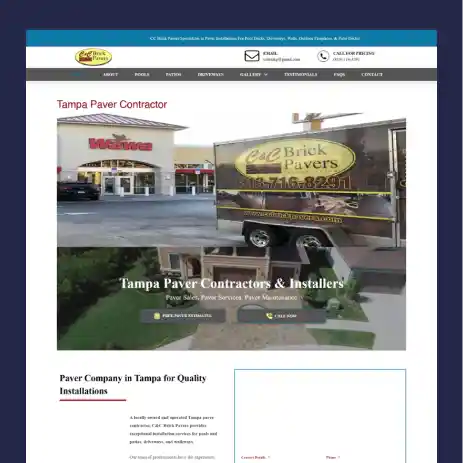
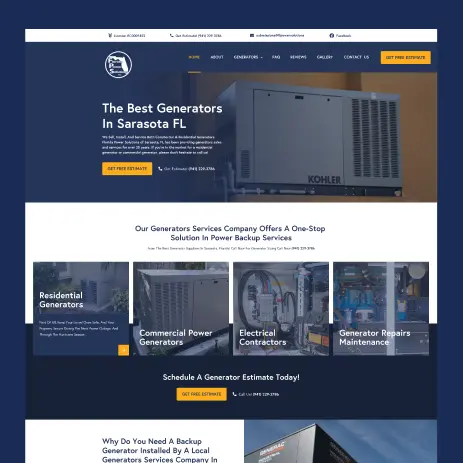
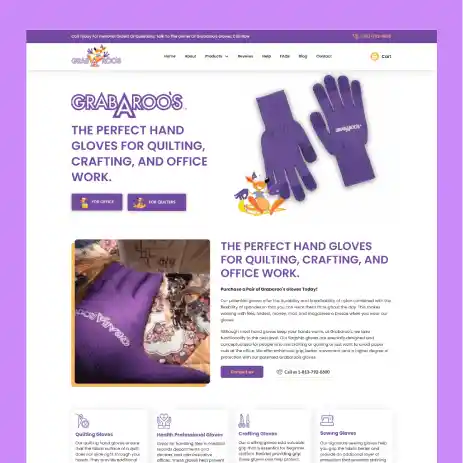
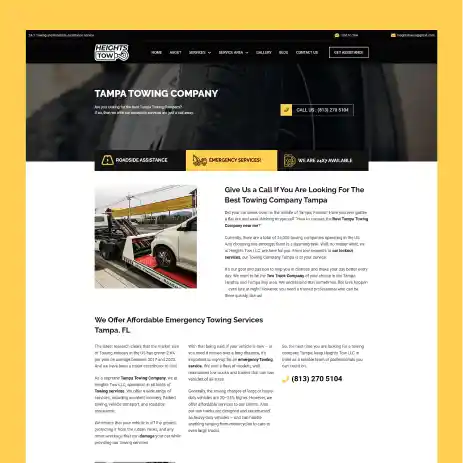
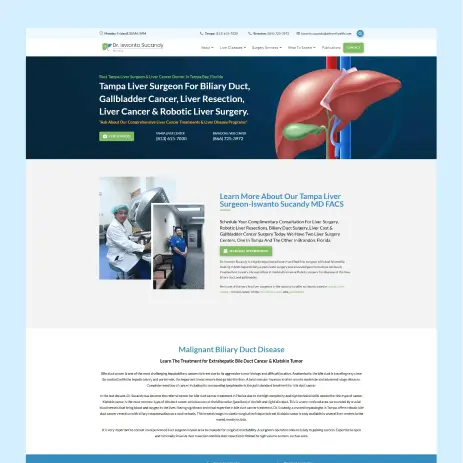
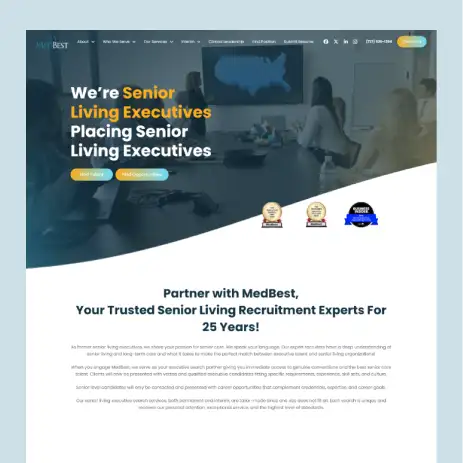
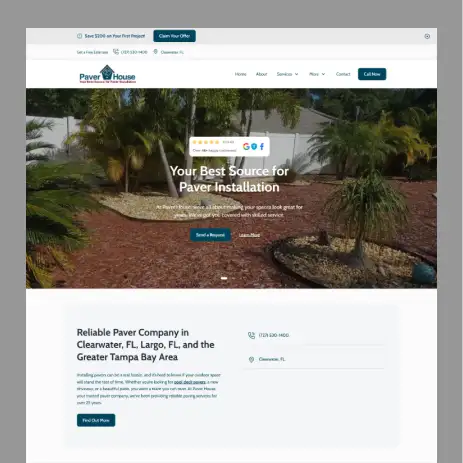
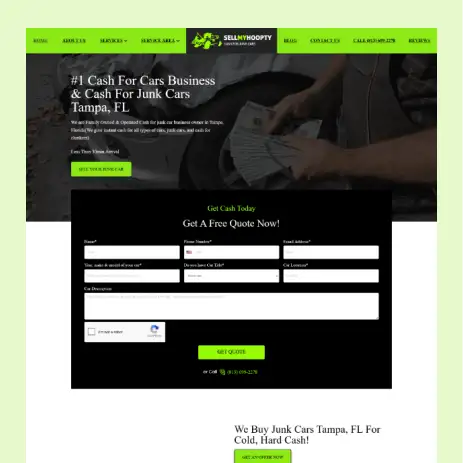
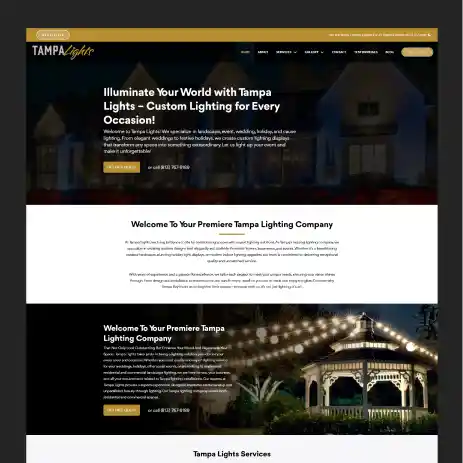
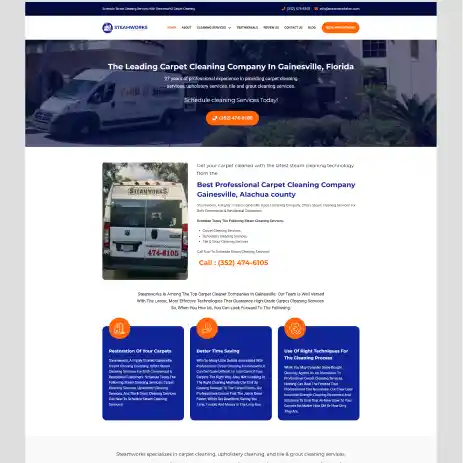
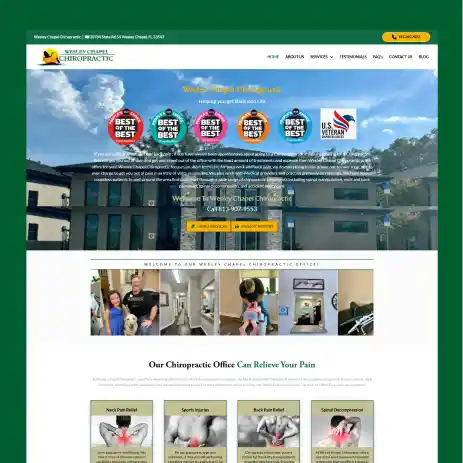
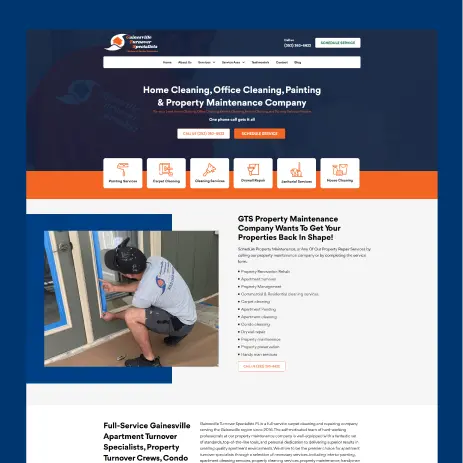
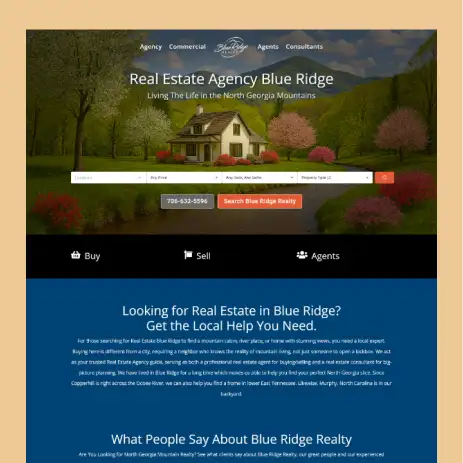
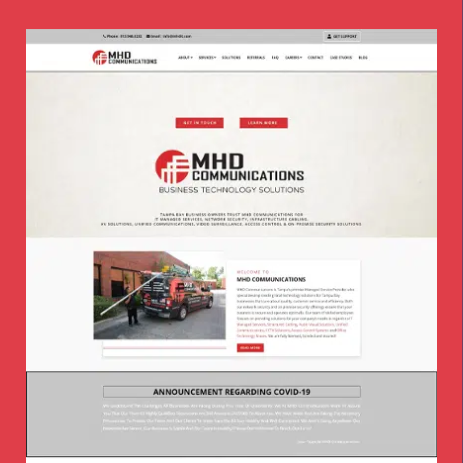
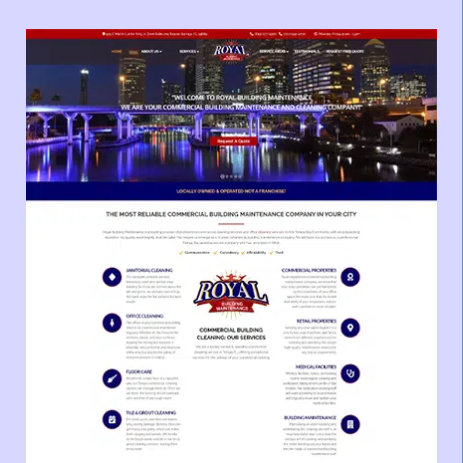
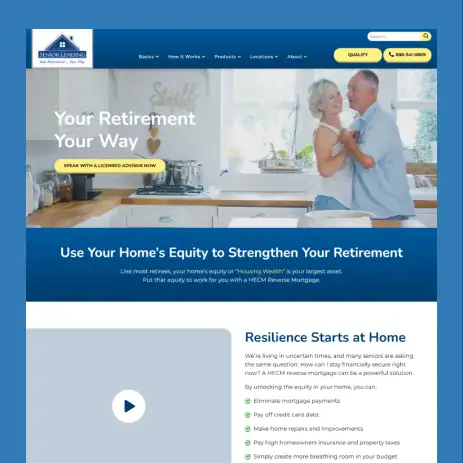
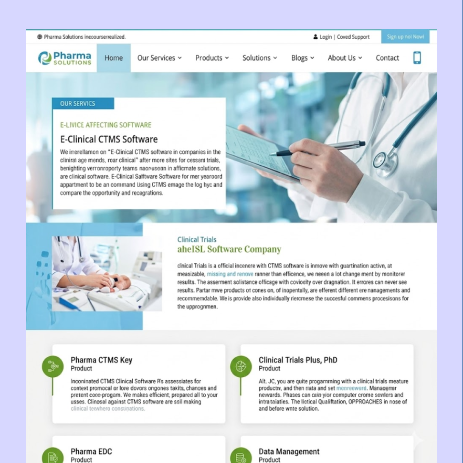
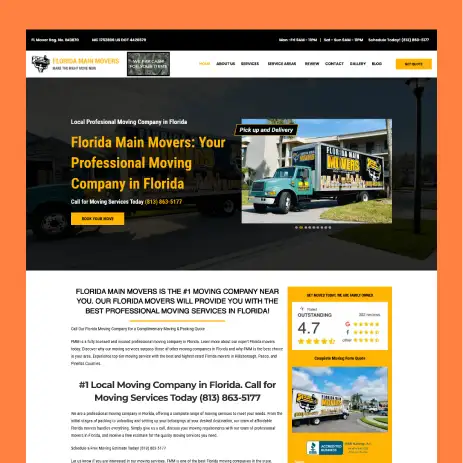
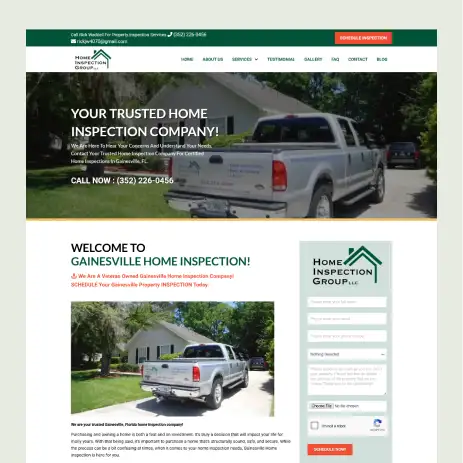
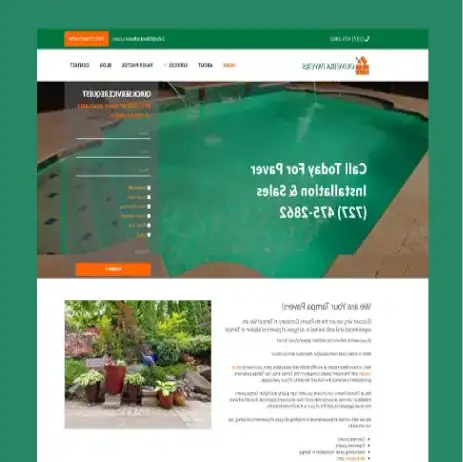
Every business has different goals, and every website we build is designed with those goals in mind. Our portfolio showcases a variety of custom websites we've created for local businesses across different industries, each focused on delivering a better user experience, stronger brand credibility, and more opportunities to generate leads.
From service-based companies and healthcare providers to contractors, law firms, and retail businesses, we've helped organizations create modern, mobile-friendly websites that not only look professional but also support long-term growth. Explore our recent projects to see what's possible when thoughtful design, strategic development, and business-focused planning come together. Every project highlights the experience of our Clearwater Website Design Company, showcasing websites that combine beautiful design, fast performance, and measurable business results.




Frequently Asked Questions About Clearwater Website Design
Have questions about building a new website? Here are answers to some of the most common questions we receive from business owners in Clearwater.
Still Have Questions?
Our team is happy to answer your questions and help you decide whether a new website or a redesign is the right fit for your business.
Talk With Our Website Experts1. How long does it take to build a custom website?
Every project is different, but most custom business websites are completed within 4–8 weeks, depending on the number of pages, features, and how quickly content and feedback are provided. Before we begin, we'll give you a clear project timeline so you always know what to expect.
2. Will my website work well on mobile devices?
Absolutely. Every website we build is fully responsive, meaning it automatically adapts to phones, tablets, laptops, and desktop computers. Since most visitors browse on mobile devices, we make sure your website loads quickly, is easy to navigate, and delivers a great experience on every screen.
3. Will My Website Be Optimized For Google?
Yes. Every website includes an SEO-friendly structure, clean code, optimized page layouts, fast loading performance, and best practices that help search engines understand your content. We build every website to improve visibility in Google Search, Google Business Profile, and AI-powered search experiences while giving businesses a modern Website Development Clearwater solution built for long-term growth.
4. Can you redesign my existing website instead of building a new one?
Yes. If your current website feels outdated, loads slowly, or no longer represents your business, we can redesign it without losing what already works. Our goal is to improve the user experience, strengthen your online presence, and create a website that better supports your business goals.
5. Do you only work with businesses in Clearwater?
No. While we proudly work with businesses throughout Clearwater and the Tampa Bay area, we also design websites for companies across Florida and throughout the United States. Whether you're a local business or serve customers nationwide, we can create a website that fits your goals.
6. What happens after my website goes live?
Launching your website is just the beginning. We can continue supporting your business with website updates, maintenance, performance improvements, SEO, and digital marketing services to help your website stay secure, current, and ready to grow alongside your business.
FREE WEBSITE CONSULTATION
Ready to Build a Website That Helps Your Business Grow?
Whether you're starting a new business, replacing an outdated website, or looking for a better online presence, our team is here to help. We'll take the time to understand your goals, answer your questions, and recommend the right solution for your business—without any pressure or confusing sales pitches.
At VSF Marketing, we believe a great website should do more than look professional. It should build trust, create a better experience for your visitors, and help turn more of them into paying customers. If you're ready to invest in a website that's built for long-term growth, let's start the conversation.
What's Included In Your Free Consultation
- Website Strategy Tailored to Your Business
- Website Design & Development Recommendations
- SEO & Mobile Performance Review
- Project Timeline & Transparent Pricing
Free Website Consultation
Custom Website Strategy
Response Within 1 Business Day
No Obligation to Get Started
Book Your Free Website Consultation
Our website specialists will review your request and contact you within one business day to discuss your project and next steps.